تُؤثر العبوات المصممة خصيصًا على نظرة الناس إلى علامتك التجارية. عند تصميمك للعبوات، فإنك تُحدد كيفية رؤية الناس لعلامتك التجارية. زجاجات مستحضرات التجميل البلاستيكية عندما تبرز منتجاتك، فإنها تمنحها ميزة تنافسية. فالتغليف الفريد يعزز قيمة المنتج، ويجذب الأنظار على أرفف المتاجر، ويخلق تجربة لا تُنسى. كما أنه يساعد في نشر رسالتك المتعلقة بالاستدامة بين المتسوقين المهتمين بالبيئة. أثناء قراءتك، فكّر في رسالة علامتك التجارية والجمهور المستهدف الذي ترغب في الوصول إليه من خلال خيارات التغليف.
حدد هوية علامتك التجارية قبل تصميم العبوات. هذا يضمن أن تعكس زجاجاتك قيمك الأساسية وتتواصل مع جمهورك المستهدف.
افهم عملائك المستهدفين. ابحث في تفضيلاتهم لتصميم عبوات تلقى صدى لديهم وتزيد المبيعات.
اختر المواد المناسبة لزجاجاتك. فالخيارات المستدامة تجذب المستهلكين المهتمين بالبيئة وتعزز صورة علامتك التجارية.
ركز على الجماليات والوظائف. فالتصاميم الجذابة المقترنة بميزات سهلة الاستخدام تعزز رضا العملاء وولائهم.
تعاون بشكل وثيق مع المصنّعين. يضمن التواصل الواضح أن تلبي عبواتك معايير الجودة وتتوافق مع رؤية علامتك التجارية.
قبل البدء بالتصميم، حدد بوضوح قيم علامتك التجارية ورسالتها. غالبًا ما تركز العلامات التجارية الناجحة في مجال مستحضرات التجميل على الأصالة، والتواصل المجتمعي، والاستدامة. يمكنك بناء الثقة والمصداقية من خلال إظهار التزامك بهذه القيم. يساعد النمو والابتكار علامتك التجارية على التميز في سوق مزدحم. يخلق التواصل والتفاعل المجتمعي عملاءً مخلصين يشعرون بأنهم جزء من قصتك. تتيح لك استراتيجية العلامة التجارية القوية مشاركة رؤيتك وأفكارك مع جمهورك.
أصالة
مجتمع
الاستدامة
الثقة والنزاهة
النمو والابتكار
التواصل والمجتمع
عندما تحدد علامتك التجارية وأسلوبها، فإنك تضع الأساس لهويتها. تضمن هذه الخطوة أن يعكس تصميم عبواتك معتقداتك الأساسية ويجذب عميلك المثالي.
عليك أن تفهم جيدًا من هم عملاؤك المستهدفون. حدد عميلك المثالي لكي يلقى تصميم عبواتك صدىً لديه. ابحث عما يبحثون عنه في علامة تجارية لمستحضرات التجميل، وحدد عناصر التصميم التي تجذب انتباههم. تجاهل جمهورك المستهدف قد يؤدي إلى عبوات غير فعّالة، وبالتالي إلى ضعف المبيعات.
تحديد تفضيلات العملاء واتجاهاتهم
قم بتصميم عبوات مخصصة لتلبية احتياجاتهم
تحليل ديناميكيات السوق والتكيف مع التغييرات
تعزز عناصر الهوية البصرية، مثل الخطوط الجريئة والعناصر الطبيعية وخصائص الاستدامة، هوية العلامة التجارية. وتستخدم علامات تجارية مثل Fenty Beauty وLush هذه العناصر للتعبير عن شخصيتها وقيمها الصديقة للبيئة.
ادرس منافسيك جيدًا قبل وضع التصميم النهائي. حلّل استراتيجيات التغليف لدى منافسيك المباشرين. انظر إلى العلامات التجارية التي تسبق علامتك التجارية وتليها في السوق لتقييم توقعات السوق. ابحث في مجال التغليف، سواءً عبر الإنترنت أو في المتاجر، للحصول على رؤية شاملة.
يُعدّ التغليف عنصرًا أساسيًا في بناء العلامة التجارية. يستخدم المنافسون الرئيسيون الأنابيب والبرطمانات والزجاجات والعلب الصغيرة والأكياس لجذب انتباه المستهلكين. ووفقًا لشركة إيبسوس، يقول 72% من المستهلكين الأمريكيين إن تصميم التغليف يؤثر على قراراتهم الشرائية. عندما تحدد علامتك التجارية وأسلوبها، وتركز على اختيار مواد تغليف مستحضرات التجميل، يمكنك تمييز هوية علامتك التجارية وسدّ الثغرات في السوق.
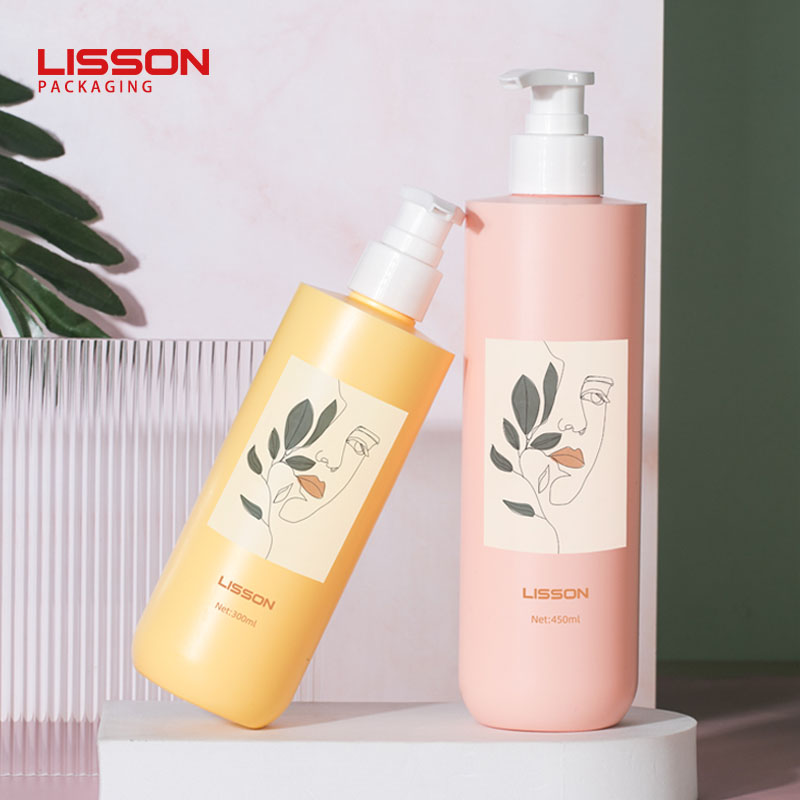
عليك اختيار المادة المناسبة لزجاجات مستحضرات التجميل البلاستيكية. تؤثر المادة على كلٍ من مظهر الزجاجة ووظيفتها. يوفر البولي بروبيلين متانة عالية ومقاومة للكسر. أما البولي إيثيلين تيريفثالات (PET) فيمنح الزجاجات مظهرًا شفافًا يشبه الزجاج، وهو قابل لإعادة التدوير. بينما يوفر البلاستيك الأكريليكي مظهرًا فاخرًا ومقاومًا للكسر. يوضح الجدول أدناه أنواع البلاستيك الشائعة وخصائصها الجمالية:
نوع بلاستيكي | الخصائص الجمالية |
|---|---|
البولي بروبيلين | خفيف الوزن، متين، ومقاوم للكسر. |
بولي إيثيلين تيريفثالات (PET) | شفاف، ويمكن أن يشبه الزجاج، وقابل لإعادة التدوير. |
بلاستيك أكريليك | مظهر شفاف يشبه الزجاج، مقاوم للكسر. |
تركز التوجهات الحديثة في صناعة عبوات مستحضرات التجميل البلاستيكية على الاستدامة. تستخدم العديد من العلامات التجارية البلاستيك القابل للتحلل الحيوي والمواد القابلة لإعادة التدوير لجذب المستهلكين المهتمين بالبيئة. كما تساعد الأشكال الفريدة والألوان الزاهية على تمييز عبواتك وجذب المشترين الشباب.
يؤثر شكل وحجم الزجاجة على نظرة العملاء لمنتجك. فالزجاجات الصغيرة غالباً ما توحي بالفخامة والتميز، بينما توحي الزجاجات الكبيرة بالقيمة والعملية. يمكنك استخدام الزجاجات الصغيرة للسفر أو لتجربة الأحجام المختلفة، والزجاجات الكبيرة للاستخدام اليومي. سهولة الاستخدام مهمة، فالزجاجات التي تتناسب مع الروتين اليومي تزيد من رضا العملاء وولائهم.
تتميز زجاجات البلاستيك الأسطوانية الحديثة بمظهرها الأنيق والبسيط. توفر هذه الزجاجات سطحًا أملسًا لوضع الملصقات والزخارف، كما أنها تتناسب تمامًا مع الحقائب والرفوف. يمكنك اختيار الزجاجات الدائرية التي تُضفي لمسة تقليدية ومريحة، أو الزجاجات المربعة التي تُعبّر عن الحداثة والابتكار. تتميز الزجاجات المربعة بجاذبيتها وتلفت أنظار الأسواق الراقية.
يجب أن يتوافق اختيارك للمواد مع هوية علامتك التجارية. تُظهر المواد المستدامة التزامك بالقيم الصديقة للبيئة. تحمي الزجاجات العملية منتجك وتجعله سهل الاستخدام. أما المظهر الجذاب فيساعد زجاجاتك على عكس صورة علامتك التجارية والتواصل مع جمهورك.
عامل | وصف |
|---|---|
الاستدامة | يضمن ذلك توافق التغليف مع قيم العلامة التجارية الصديقة للبيئة. |
الوظائف | يجب أن يحمي التغليف المنتج وأن يكون سهل الاستخدام في نفس الوقت، مما يعكس موثوقية العلامة التجارية. |
الجماليات | جاذبية بصرية تتناغم مع صورة العلامة التجارية وتجذب الجمهور المستهدف. |
تُعدّ العبوة انعكاساً مباشراً لشخصية علامتك التجارية.
تساهم الزجاجة المصممة جيداً في بناء الوعي والولاء.
يمكنك تعزيز الانتماء العاطفي من خلال تصميم زجاجات تعكس قيم المجتمع. تشير عناصر التصميم إلى الانتماء إلى مجموعات طموحة وتعزز ولاء العلامة التجارية.
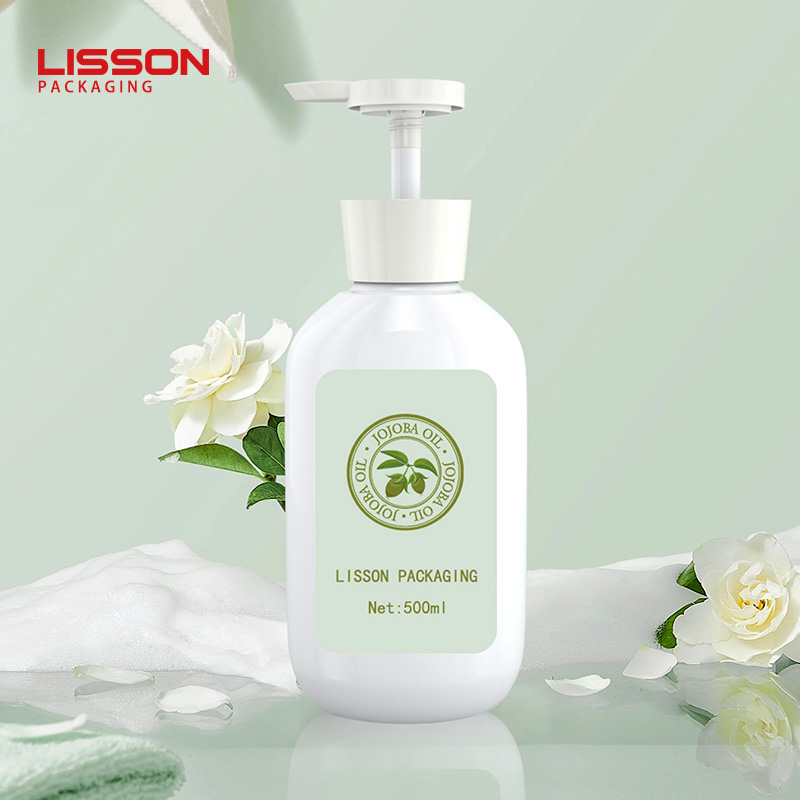
يُمثل شعارك وألوانك واجهة علامتك التجارية. عند تصميم عبوات مستحضرات التجميل، عليك إبراز هذه العناصر. يلعب اللون دورًا مؤثرًا نفسيًا في تصميم التغليف، فهو يُشكل انطباع العملاء عن منتجاتك وعلامتك التجارية. يساعدك فهم دلالات الألوان على التواصل مع جمهورك المستهدف.
يشير اللون إلى شخصية علامتك التجارية ويؤثر على الانطباع العام.
الزجاجات الشفافة تعكس الصدق والنقاء، وهو ما يناسب العلامات التجارية الطبيعية.
تُضفي اللمسات النهائية غير اللامعة مظهراً فاخراً، وهو مثالي للعناية بالبشرة الفاخرة.
تحمي الزجاجات المعتمة التركيبات الحساسة للضوء وتعطي انطباعاً طبياً.
ألوان بانتون المخصصة تحافظ على اتساق خط إنتاجك.
يمكنكِ استخدام الألوان الهادئة والباستيلية لإضفاء شعور بالهدوء، وهو ما يناسب منتجات العناية بالبشرة. أما الألوان الجريئة كالأحمر والوردي فتُضفي حيويةً ونشاطاً، مما يجعلها مثاليةً لمستحضرات التجميل التي تُعزز الحيوية. عند اختياركِ لمجموعة الألوان، فكّري في المشاعر التي ترغبين في إثارتها.
نظام الألوان | وصف |
|---|---|
أبيض وأسود | يمثل الفخامة والرقي والأناقة الخالدة. |
وردي وأرجواني | يستحضر مشاعر الحب والجمال والأنوثة؛ ويرمز إلى الملكية والبذخ. |
ألوان الباستيل | يعكس الهدوء والأنوثة، وهما صفتان غالباً ما ترتبطان بالولادة الجديدة والرقة. |
الألوان الدافئة | يستحضر الحماس والطاقة، وهو مناسب للمنتجات النابضة بالحياة. |
الألوان الباردة | يُضفي شعوراً بالاسترخاء والهدوء، وهو مثالي للمنتجات المهدئة. |
ألوان محايدة/ترابية | يستحضر الطبيعة والبساطة، وغالبًا ما يستخدم في العلامات التجارية الصديقة للبيئة. |
يجب أن يظل شعارك واضحًا ومرئيًا دائمًا. ضعه في مكان يسهل على العملاء رؤيته بنظرة سريعة. إن استخدام شعارك وألوانك بشكل متسق في جميع منتجاتك يعزز الوعي بالعلامة التجارية ويكسب ثقة العملاء.
يلعب اختيار الخطوط وتصميم الملصقات دورًا محوريًا في نظرة العملاء لعلامتك التجارية. فالخط المناسب قادر على تغيير انطباعهم عن منتجك. توحي الخطوط ذات الزوائد بالأصالة والموثوقية، بينما تبدو الخطوط بدون زوائد عصرية وواضحة. أما الخطوط المائلة أو المكتوبة بخط اليد فتضفي لمسة أنثوية أنيقة، في حين تبدو الخطوط العريضة أو المكتوبة بأحرف كبيرة قوية وحازمة.
تُعدّ سهولة القراءة والوضوح أمراً بالغ الأهمية بالنسبة لملصقاتك.
غالباً ما تكون الطباعة أول ما يلاحظه العملاء.
يمكن للتغليف الجذاب والعملي أن يعزز ولاء العملاء للعلامة التجارية.
يتخذ المستهلكون قرارات سريعة بناءً على تصميم العبوة ونوع الخط. إذا كان تصميم ملصق علامتك التجارية صعب القراءة، فإنك تخاطر بفقدان الانتباه. استخدم خطوطًا تتناسب مع شخصية علامتك التجارية ورسالتها. على سبيل المثال، قد تستخدم علامة تجارية فاخرة للعناية بالبشرة خطًا كلاسيكيًا ذا نهايات، بينما قد تختار علامة تجارية عصرية لمستحضرات التجميل خطًا جريئًا بدون نهايات.
نمط الخط | رسالة العلامة التجارية |
|---|---|
Serif | الطبقة، التقاليد، المؤسسة |
سان سيريف | الحداثة والوضوح |
الخط/الخط المائل | الرقي، الأناقة، الأنوثة |
غامق/أحرف كبيرة | القوة، الحزم، الرجولة |
يجب أن يتضمن تصميم ملصقك معلومات مهمة عن المنتج. تأكد من وضوح النص على الخلفية. استخدم ألوانًا متباينة ومسافات واضحة لتحسين سهولة القراءة. يساعد الملصق المصمم جيدًا العملاء على فهم منتجك ويبني الثقة في علامتك التجارية.
تُضفي اللمسات النهائية وتقنيات التزيين رونقًا جماليًا على عبوات منتجاتك، وتُميّزها عن غيرها. تُضفي هذه التفاصيل مظهرًا فاخرًا، وتؤثر على نظرة العملاء للجودة. يمكنك الاختيار من بين مجموعة متنوعة من أساليب التزيين:
الطباعة بنقل الماء
الطباعة الرقمية
الختم الساخن
طباعة الشاشة على الزجاجات
خيارات الزجاج المصنفر
تشطيبات سطحية معدنية لامعة
طلاء فراغي
ملصقات النقل الحراري
الأسطح غير اللامعة
تشطيبات لامعة
ختم رقائق معدنية
النقش البارز
تشطيبات ناعمة الملمس
تُضفي اللمسات النهائية، كالورنيش غير اللامع أو الساتان، فخامةً راقيةً وبسيطة. أما اللمسات اللامعة فتُعبّر عن جرأةٍ لافتة. وتُضفي لمسات الخشب الطبيعي طابعًا أصيلًا، بينما تتناغم التأثيرات المصقولة أو الملونة مع أنماط علامات تجارية محددة. ويُشير تأثير الهالة إلى أن اللمسة النهائية الأنيقة تُوحي للعملاء بجودة المنتج العالية.
نصيحة: استخدم تقنية ختم الرقائق المعدنية أو النقش البارز لإضافة ملمس ولمعان. هذه التقنيات تجذب الضوء وتلفت الانتباه إلى علامتك التجارية.
تُضفي اللمسات النهائية غير اللامعة إحساسًا بالأناقة والاتزان. فهي توحي بالمتانة والحرفية العالية، وهما عنصران أساسيان في صناعة مستحضرات التجميل. وعندما تجمع بين اللمسات النهائية المناسبة والتصميم المدروس، فإنك تعزز هوية علامتك التجارية وتجعل منتجاتك لا تُنسى.
يجب التأكد من أن عبوات مستحضرات التجميل تحمي المنتج وتوفر تجربة استخدام مميزة. تساعد الميزات العملية على منع التلوث والتلف. تتيح المضخات والقطارات توزيعًا دقيقًا، مما يقلل الهدر ويحافظ على نضارة المنتج. تحافظ الأغطية المحكمة والبرطمانات محكمة الإغلاق على سلامة المنتج. باختيارك تصميمات مريحة، تُسهّل على العملاء استخدام منتجاتك يوميًا. في الواقع، يُفضّل 75% من المستهلكين العبوات المريحة، وهذا بدوره يُعزز المبيعات وولاء العملاء.
يحمي من التلوث والتلف
يتيح تطبيقًا سهلاً ودقيقًا
يجذب المشترين بعرض جذاب
ميزة | تفضيل المستهلك (%) |
|---|---|
تصميم مريح | 75 |
معدل احتفاظ أعلى | 30 |
زيادة في الولاء | 40 |
يمكنك دعم البيئة باختيار مواد مستدامة لعبوات مستحضرات التجميل. فالمواد القابلة للتحلل الحيوي، والبلاستيك المعاد تدويره، والبلاستيك المعاد تدويره بعد إعادة تدويره، تُسهم في الحد من النفايات والتلوث. كما تُقدم خيارات مبتكرة مثل قشور الأرز، والخيزران، والأعشاب البحرية حلولاً متجددة وقابلة للتحلل. تتوافق هذه الخيارات مع قيم المستهلكين المهتمين بالبيئة، وتساعدك على ابتكار عبوات مخصصة ناجحة.
تُعد المواد القابلة للتحلل الحيوي فعالة في الأنظمة القابلة لإعادة التعبئة.
تساهم المواد البلاستيكية المعاد تدويرها والبلاستيك المعاد تدويره من قبل العملاء في تقليل النفايات التي يتم دفنها.
الخيزران والأعشاب البحرية مواد متجددة وقابلة للتحلل.
يتميز الزجاج والمعادن بإمكانية إعادة التدوير بلا حدود.
عندما تستخدم مواد مستدامة، فإنك تُظهر التزامك تجاه الكوكب وتجذب العملاء الذين يهتمون بالتأثير البيئي.
لتحقيق نجاح في تصميم عبوات مخصصة، يجب الموازنة بين الجمال وسهولة الاستخدام والاستدامة. ينبغي أن تحافظ عبوات مستحضرات التجميل على ثبات المنتج من خلال توفير الحماية من الأشعة فوق البنفسجية وتقليل تعرضه للهواء. كما تساعد المضخات الخالية من الهواء والعبوات المحكمة الإغلاق في الحفاظ على تركيبات المنتجات. وتُحسّن الميزات سهلة الاستخدام، مثل أحجام العنق المناسبة والأغطية اللولبية، تجربة العميل، ما قد يزيد المبيعات. تستطيع العلامات التجارية التي تستخدم مواد مستدامة وأنظمة تغليف دائرية خفض الانبعاثات بنسبة تصل إلى 85%. كما تُشجع برامج الاسترجاع والتصاميم القابلة لإعادة التعبئة على التخلص المسؤول من العبوات، وتُعزز التواصل المستمر مع العملاء.
نصيحة: اجمع بين الميزات التقنية والتصميم الجذاب لإنشاء عبوات مميزة تدعم قيم علامتك التجارية.
عندما تركز على كل من الشكل والوظيفة، فإنك تبني الثقة والولاء، مما يساعد علامتك التجارية على النمو في سوق تنافسية.
لضمان تلبية عبوات مستحضرات التجميل الخاصة بك لمعاييرك، عليك اختيار المصمم المناسب. ابدأ بتقييم الشركات المصنعة بناءً على الجودة والاستدامة وخيارات التخصيص. سيقدم لك المصمم المناسب قوالب مخصصة، ومطابقة الألوان، وميزات العلامة التجارية مثل النقش البارز. كما يجب عليك التحقق من موثوقية الشركة والتزامها بمعايير الصناعة. استخدم الجدول أدناه لمقارنة المعايير المهمة عند اختيار المصمم المناسب لعبوات مستحضرات التجميل الخاصة بك.
معايير | وصف |
|---|---|
جودة | مواد عالية الجودة ومتينة تضمن سلامة المنتج وطول عمره. |
الاستدامة | مواد صديقة للبيئة، وخيارات قابلة للتحلل الحيوي، وشهادات مثل FSC أو ISO 14001. |
التخصيص | خيارات للقوالب المخصصة، ومطابقة الألوان، وتخصيصات العلامة التجارية مثل النقش البارز. |
مصداقية | التواصل الفعال، وفترات التسليم القصيرة، وسلسلة التوريد الموثوقة لضمان التسليم المتسق. |
امتثال | الالتزام بمعايير الصناعة مثل ISO 9001 أو GMP من أجل السلامة والاتساق. |
سيساعدك اختيار مصنّع موثوق على تجنب التحديات الشائعة مثل تعقيد التصميم، وسرعة الإنتاج، ومشاكل النظافة. يجب عليك دائمًا توضيح هوية علامتك التجارية ومتطلباتك الخاصة بزجاجات مستحضرات التجميل لمصممك بشكل واضح.
قبل الانتقال إلى مرحلة الإنتاج الكامل، راجع نماذج عبوات مستحضرات التجميل المخصصة مع مصممك. اختبرها للتأكد من عدم وجود تسريبات، ومتانتها، وسهولة استخدامها. تأكد من أن العبوة تتناسب مع هوية علامتك التجارية وتدعم نقاط البيع الفريدة لمنتجك. أشرك فرقًا مختلفة في عملية المراجعة للحصول على آراء متنوعة. استخدم تقنية النماذج الأولية السريعة لاكتشاف الأخطاء مبكرًا وتحسين سهولة الاستخدام.
اجعل التصميم بسيطًا وسهل الاستخدام.
اختبر العبوة مع عملائك المستهدفين.
حافظ على التناسق في جميع عناصر تغليف منتجاتك وشعارك وموقعك الإلكتروني.
تأكد من أن العبوة تعكس منتجك بدقة.
يجب عليك دائمًا التأكد من سهولة استخدام عبوة مستحضرات التجميل المصممة خصيصًا لك، وأنها تتوافق مع قيم علامتك التجارية. هذه الخطوة تساعدك على بناء الثقة والولاء لدى عملائك.
استعد لإطلاق منتجك بتحديد عميلك المثالي وتحسين علامتك التجارية وأسلوبها. اختر مواد تغليف تتناسب مع علامتك التجارية وتلبي متطلبات سلامة المنتج. ابحث في اتجاهات السوق وافهم جمهورك المستهدف. حافظ على هوية علامتك التجارية وكن صادقًا في رسائلك. تعاون مع شركات تحويل متوسطة الحجم أو مصنّعين متخصصين لتسريع عمليات الإطلاق والتكيف مع متطلبات السوق.
يجب على العلامات التجارية أيضًا مواكبة أحدث اللوائح المتعلقة بمواد التغليف، لا سيما للمنتجات التي تلامس الجلد. ينبغي أن يعكس تصميم التغليف جودة علامتك التجارية وقيمها. بالتركيز على هذه الخطوات، ستتميز عبوة مستحضرات التجميل الخاصة بك، مما يدعم نجاحك على المدى الطويل كمصمم.
نصيحة: تعاون بشكل وثيق مع المصمم في كل مرحلة لضمان أن زجاجة مستحضرات التجميل المخصصة تلبي رؤيتك واحتياجات السوق.
يمكنك تصميم عبوات مستحضرات التجميل الخاصة بك باتباع هذه الخطوات:
اختر العبوة المناسبة لمنتجك.
اختر مجموعة ألوان لتغليف مستحضرات التجميل الخاصة بك تتناسب مع علامتك التجارية.
تأكد من أن تصميم عبواتك يلقى صدى لدى السوق المستهدف.
ابتكر عبوات فريدة ومميزة ذات ملصقات واضحة.
ركز على التغليف الجذاب لمنتجات التجميل الخاصة بك لزيادة المبيعات.
استراتيجية | وصف |
|---|---|
العلامة التجارية المتسقة | يبني الثقة والتقدير مع مرور الوقت. |
مبادرات صديقة للبيئة | يتواصل مع المستهلكين الواعين ويدعم نمو العلامة التجارية. |
يساعد التغليف الفعال علامتك التجارية على النجاح لسنوات.
تتيح لك عبوات مستحضرات التجميل المصممة حسب الطلب تصميم عبوات تعكس علامتك التجارية. يمكنك اختيار الأشكال والألوان والمواد، مما يساعد منتجاتك على التميز. كما يمكنك استخدامها لمشاركة قصة علامتك التجارية والتواصل مع جمهورك المستهدف.
يمنحك استخدام عبوات مستحضرات التجميل المصممة خصيصًا هويةً فريدةً لعلامتك التجارية، مما يجعلها أكثر رسوخًا في الأذهان. كما يساعدك هذا النوع من العبوات على جذب عملاء مخلصين، وإبراز قيم علامتك التجارية، وخلق انطباع قوي في السوق.
يمكنك اختيار مواد صديقة للبيئة لتغليف مستحضرات التجميل الخاصة بك. هذا الخيار يقلل من النفايات ويُظهر اهتمام علامتك التجارية بالبيئة. تستخدم العديد من العلامات التجارية البلاستيك المُعاد تدويره أو الخيارات القابلة للتحلل الحيوي في تغليف مستحضرات التجميل الخاصة بها لدعم المبادرات البيئية.
نعم، عبوات مستحضرات التجميل المصممة حسب الطلب يمكن أن يعزز ذلك المبيعات. كما أنه يخلق حضورًا قويًا لعلامتك التجارية على أرفف المتاجر، مما يسهل على العملاء ملاحظة منتجاتك. وعند استخدام عبوات مستحضرات التجميل المصممة خصيصًا، فإنك تبني الثقة وتشجع على تكرار عمليات الشراء.
ابدأ بتحديد هوية علامتك التجارية. ابحث عن جمهورك المستهدف. ادرس منافسيك. اختر المواد والأشكال التي تناسب علامتك التجارية. تعاون مع مصنّع موثوق. اختبر النماذج الأولية. أطلق منتجك بتغليف تجميلي مصمم خصيصًا ليتوافق مع رؤية علامتك التجارية.