عند إطلاق كريم ليلي كثيف مع مضخة عبوة مستحضرات تجميل عادية، يكون الخطر حقيقياً: فبعد ثلاث استخدامات، تنسد المضخة. يتذمر العملاء، وتتراكم المرتجعات، وتتضرر سمعة علامتك التجارية. تُعدّ المضخة أو القطارة أو البخاخ حلقة الوصل الأساسية بين تركيبة المنتج والمستخدم. إذا تعطلت، يفشل المنتج - مهما كانت جودة التركيبة.
لهذا السبب، يجب عليك اختيار أنظمة توزيع عبوات مستحضرات التجميل بدقة متناهية. فالاختيار الخاطئ يُهدر المنتج، ويُسبب عمليات إرجاع، ويُضر بالثقة. يُرشدك هذا الدليل إلى اللزوجة، والجرعة، وتوافق المواد، والتكلفة، والاختبارات اللازمة لتغليف منتجات العناية بالبشرة. تُقدم الشركات المصنعة الرائدة، مثل ليسون، حلولاً متنوعة، من المضخات الهوائية إلى بخاخات الرذاذ الدقيق، لتناسب جميع أنواع التركيبات. اتخذ القرار الصحيح، وستحمي منتجك وسمعتك.
اختر الموزع المناسب لسمك منتجك. تحتاج أنواع التونر الخفيفة إلى بخاخات، بينما تحتاج الكريمات السميكة إلى مضخات معالجة أو أنظمة بدون هواء.
اختر موزعًا يوفر الكمية المناسبة لكل استخدام. القطارات تعطي قطرات صغيرة، بينما المضخات تعطي جرعات أكبر.
اختبر تركيبتك مع أجزاء المضخة. يمكن للأحماض والزيوت أن تُتلف الأختام والزنبركات. هذه الخطوة تمنع حدوث الأعطال.
قارن تكلفة القوالب المصممة حسب الطلب بحجم إنتاجك. توفر القطع الجاهزة المال في الإنتاج بكميات صغيرة، بينما تُجدي القوالب المصممة حسب الطلب نفعاً في الإنتاج بكميات كبيرة.
اختر موزعًا مريحًا للاستخدام. المضخات التي تُستخدم بيد واحدة أسهل من القطارات. المظهر الفاخر يعزز علامتك التجارية.
قبل اختيار أي نظام لتوزيع مستحضرات التجميل، يجب تحليل تركيبة المنتج. تُعدّ اللزوجة العامل الأهم على الإطلاق، فهي التي تحدد ما إذا كان المنتج مناسبًا أم لا. زجاجة لوشن بمضخة سيتدفق المنتج بسلاسة أو قد ينسد بعد ضغطات قليلة. كما يحدد ذلك ما إذا كانت زجاجة السيروم تحتاج إلى قطارة أو مضخة علاج. يجب أن يتوافق شكل العبوة - زجاجة أو برطمان - مع ثبات تركيبتك وكيفية استخدام المستهلك لها.
تقيس اللزوجة مدى كثافة أو سيولة المنتج. تتراوح لزوجة التونر المائي بين 1 و10 سنتي بواز. أما اللوشن، فتتراوح لزوجته عادةً بين 5000 و15000 سنتي بواز. بينما تتراوح لزوجة كريمات التجميل الكثيفة بين 15000 و50000 سنتي بواز. تساعدك هذه الأرقام في اختيار آلية التوزيع المناسبة.
"لا أختار التغليف بناءً على السؤال عن الشكل الأفضل تقنيًا، بل أختاره بناءً على ما تحتاجه هذه التركيبة تحديدًا للحفاظ على استقرارها، وسهولة استخدامها، وملاءمتها للمستهلك." - جولي بيفرمان، المؤسسة والكيميائية
تُعدّ خصائص انسياب تركيبتك بنفس أهمية لزوجتها. قد يكون للكريم لزوجة متوسطة ولكنه يحتوي على جزيئات أو قوام لزج. في هذه الحالة، قد تتعطل المضخة الخالية من الهواء ميكانيكيًا. غالبًا ما يكون استخدام عبوة مزودة بملعقة أفضل للتركيبات السميكة والمنظمة والقابلة للغرف. بالنسبة للأمصال الحساسة للأكسجين، يحدّ نظام المضخة الخالية من الهواء من الأكسدة ويطيل مدة صلاحيتها. تقدم ليسون زجاجات خالية من الهواء للتركيبات الحساسةزجاجات مزودة بقطارة للسيروم، وعبوات للكريمات السميكة. يحافظ كل خيار على سلامة التركيبة مع الحفاظ على انسيابيتها.
تحدد الجرعة في كل استخدام آلية التوزيع. اسأل نفسك: ما هي الكمية التي يجب على المستهلك استخدامها في كل مرة؟ يوفر البخاخ ذو الرذاذ الدقيق تغطية واسعة ومتساوية على مساحة كبيرة، وهو مثالي للتونر وبخاخات الوجه. أما القطارة الزجاجية فتتيح جرعات صغيرة ومتحكم بها، قطرة قطرة، وهي مثالية للزيوت العطرية وسيرومات الوجه. بينما توزع مضخة اللوشن جرعة أكبر وأكثر تركيزًا دون رذاذ، وهي مناسبة للوشن والتركيبات اللزجة.
آلية التوزيع | الجرعة المقصودة لكل استخدام | حالة الاستخدام النموذجية |
|---|---|---|
قطارة زجاجية | صغيرة، مضبوطة، قطرة قطرة | الزيوت العطرية، والسيرومات، وزيوت الوجه |
بخاخ رذاذ دقيق | تغطية واسعة ومتساوية | معطرات الجسم، بخاخات الوجه، منتجات الشعر |
مضخة لوشن | جرعة أكبر وأكثر تركيزًا | مستحضرات، كريمات، تركيبات لزجة |
يجب أن تتطابق كمية المنتج الفعلية التي تُضخها المضخة مع الجرعة المطلوبة. إذا كان روتينك يتطلب ضغطتين كاملتين، فيجب أن توفر المضخة هذه الكمية باستمرار. ضع في اعتبارك أيضًا مادة الزجاجة ونوعية عنقها. تحتاج زجاجة المضخة التجميلية إلى غطاء متوافق مع متطلبات التعبئة. تدمج عبوات منتجات العناية بالبشرة من ليسون هذه العناصر بسلاسة، مما يضمن أداءً موثوقًا لزجاجة مستحضرات التجميل من أول استخدام إلى آخر استخدام.
تُعدّ اللزوجة العامل الأهم في تحديد آلية التوزيع. فلا يُمكنك دفع كريم كثيف عبر بخاخ رذاذ دقيق، تمامًا كما لا يُمكنك توقع أن يُنتج القطارة رذاذًا واسعًا. إنّ مُطابقة النظام مع سُمك تركيبتك يضمن سلاسة التشغيل ورضا العملاء. في هذه المرحلة، تختار خيارات نظام توزيع عبوات مستحضرات التجميل التي تتوافق مع خصائص تدفق منتجك.
تتطلب التركيبات الخفيفة كالتونر وبخاخات الوجه والسيرومات الخفيفة آليات رش ذات مقاومة منخفضة. وتتفوق بخاخات الرذاذ الدقيق في هذا المجال لقدرتها على تحويل السائل إلى قطرات متناهية الصغر. إذ تدفع هذه البخاخات السائل عبر فوهة ضيقة، فتقسمه إلى قطرات يتراوح حجمها بين 30 و80 ميكرونًا. وتنجح هذه العملية فقط مع السوائل منخفضة اللزوجة، الشبيهة بالماء، والتي يمكنها المرور عبر هذه القنوات الدقيقة. بالنسبة لتونر الوجه وبخاخات تثبيت المكياج، توفر هذه التقنية تغطية أنيقة ومتساوية تمنح البشرة ملمسًا فاخرًا.
نوع الرش | حجم القطرة | الناتج لكل شوط | أفضل التطبيقات |
|---|---|---|---|
رذاذ ناعم | 30-80 ميكرون | 0.12–0.18 مل | تونر الوجه، بخاخات تثبيت المكياج، العطور |
رذاذ خشن | 100-200 ميكرون | 0.15–0.25 مل | بلسم يُترك على الشعر، وبخاخات للجسم |
بخاخ الزناد | أكثر من 200 ميكرون | 0.8–1.5 مل | منتجات فك تشابك الشعر، علاجات فروة الرأس |
تُنتج البخاخات ذات الزناد قطرات أكبر حجماً، حوالي 300 ميكرون، مع نمط رش أوسع. وهي مناسبة للمنتجات التي تُعطى فيها الأولوية للتغطية على حساب الدقة، مثل بخاخات الجسم أو مزيلات تشابك الشعر. أما الرذاذ الناعم فيوفر تجربة أكثر دقة، مما يجعله الخيار الأمثل للاستخدام على الوجه.
تُستخدم القطارات لأغراض مختلفة مع السيرومات والزيوت منخفضة اللزوجة. توفر القطارة الزجاجية جرعات دقيقة، قطرة قطرة، مما يجعلها مثالية للمنتجات التي تتطلب دقة عالية في تحديد الجرعة. يمكنكِ وضع قطرتين أو ثلاث قطرات من زيت الوجه بدقة تامة دون هدر. كما تُناسب القطارات الزيوت الأكثر كثافة التي قد تتدفق عبر البخاخ. مع ذلك، فإن فتح القطارة بشكل متكرر يُعرّض التركيبة للهواء، مما يزيد من خطر الأكسدة. لذا، يُنصح باستخدام نظام مغلق خالٍ من الهواء للسيرومات الحساسة للأكسجين.
تُمثل الكريمات والمراهم والجل الكثيفة تحديًا مختلفًا. تفشل مضخات المستحضرات القياسية مع هذه التركيبات لأن نوابضها لا تستطيع دفع المنتج الكثيف بكفاءة. قد تتجاوز لزوجة السائل العالية قوة النابض، مما يُسبب صعوبة في ارتداد المضخة بعد الضغط. كما أن أنابيب السحب الضيقة تنسد بسرعة، وتُعيق الصمامات أحادية الاتجاه الصغيرة تدفق المنتج. والنتيجة: إحباط العملاء وهدر المنتج.
سبب الانسداد | آلية وقائية |
|---|---|
النوابض الضعيفة غير قادرة على دفع المنتج الكثيف | نوابض معززة ومتينة توفر ضغطًا ثابتًا |
صمامات صغيرة محكمة أحادية الاتجاه | صمامات موسعة وتصميمات قنوات داخلية مفتوحة مع حلقات مانعة للتسرب من السيليكون مزدوجة الإحكام. |
أنابيب سحب ضيقة | أنابيب سحب ذات فتحة واسعة (3-4 مم أو 5 مم فأكثر) |
حجم إخراج منخفض (0.5 مل) | حجم إنتاج أعلى (1.0-2.0 مل لكل ضغطة) |
تُعالج مضخات العلاج هذه المشاكل بفضل أنابيبها الأوسع، ونوابضها الأقوى، وحجم تدفقها الأكبر. فهي تُوزّع جرعة مُتحكّم بها دون انسداد، مما يجعلها مثالية للأمصال والكريمات السميكة. أما بالنسبة للمعاجين شديدة الكثافة، فتُوفّر المضخات عالية الأداء ذات الأنابيب الممتدة الطاقة اللازمة.
توفر أنظمة الضخ الخالية من الهواء الحل الأمثل للتركيبات عالية اللزوجة. تعمل هذه المضخات وفق مبدأ التفريغ: يرتفع مكبس في قاع الزجاجة عند ضخ المنتج، دافعًا التركيبة السميكة إلى الأعلى والخارج. يحقق هذا التصميم تفريغًا شبه كامل، بينما تترك المضخات التقليدية كمية كبيرة من المنتج غير قابلة للاستخدام في القاع. كما تمنع تقنية الضخ الخالية من الهواء دخول الهواء، مما يحمي المكونات الفعالة الحساسة للأكسجين ويطيل مدة صلاحية المنتج. توفر تقنية الضخ الخالية من الهواء من ليسون جرعات دقيقة ومتسقة مع كل ضغطة، وتعمل في أي وضعية. بالنسبة للكريمات الفاخرة والتركيبات الحساسة، يحمي هذا النظام تركيبتك ويعزز تجربة المستخدم.
بالنسبة للتركيبات اللزجة (السميكة)، تُعد مضخة المعالجة الخيار الأفضل في أغلب الأحيان. فهي تُوزّع جرعة مُتحكّم بها دون انسداد، بينما صُمّم بخاخ الرذاذ الدقيق للسوائل الخفيفة كالماء ولن يكون فعالاً مع المنتجات السميكة.
القاعدة بسيطة: استخدم بخاخات الرذاذ الدقيق للمستحضرات السائلة، ومضخات العلاج أو أنظمة التعبئة بدون هواء للمستحضرات والسيرومات السميكة. يؤثر اختيارك لمضخة زجاجة مستحضرات التجميل بشكل مباشر على كيفية إدراك العملاء لجودة منتجك.
قد تُلحق مكونات تركيبتك ضرراً بنظام توزيع مستحضرات التجميل في عبوتك. فالأحماض والزيوت والكحول غالباً ما تُتلف أختام المضخة والزنبركات والأجزاء البلاستيكية. لذا، عليك التحقق من مقاومة المواد الكيميائية قبل اتخاذ قرارك النهائي.
تتفاعل جميع المكونات مع مواد المضخة. يمكن لأحماض ألفا هيدروكسي أن تُسبب تآكل النوابض المعدنية. يمكن للزيوت العطرية أن تُسبب انتفاخ الأختام المطاطية. يمكن أن يؤدي ارتفاع نسبة الكحول إلى إضعاف بعض أنواع البلاستيك. تُسبب هذه التفاعلات تسربات أو انسدادات أو تلوثًا. تعطل المضخة يعني تعطل المنتج.
يجب عليك اختبار تركيبتك باستخدام مكونات المضخة الفعلية. سواءً كنت تستخدم زجاجة مضخة لوشن أو نظامًا بدون هواء، يجب عليك اختبارها بتركيبتك. املأ مجموعة مضخة زجاجة مستحضرات التجميل كاملةً بمنتجك. اتركها لأسابيع في درجات حرارة مختلفة. تحقق من وجود تآكل على الأجزاء المعدنية. ابحث عن انتفاخ أو تشقق في المكونات البلاستيكية. افحص الأختام المطاطية بحثًا عن أي تغيرات في الملمس. ليسون يمكننا توفير عينات لاختبارها على جهاز الاختبار. تمنع هذه الخطوة حدوث أعطال مكلفة بعد بدء الإنتاج. لا يمكنك تخطي هذه الخطوة.
ضع في اعتبارك المواد المستخدمة في مضختك. يُقاوم البولي بروبيلين (PP) والبولي إيثيلين (PE) معظم مكونات مستحضرات التجميل، لكن بعض التركيبات تتطلب موادًا أكثر تخصصًا. فمضخة زجاجة السيروم تحتاج إلى مواد مختلفة عن مضخة الكريم. يوفر السيليكون والمطاط النتريل بوتادين (NBR) مقاومة كيميائية أفضل للتركيبات القوية. ينبغي على الشركة المصنعة مساعدتك في اختيار مزيج المواد المناسب.
تتطلب الأسواق العالمية شهادات امتثال صارمة. وبدونها، لا يمكن لزجاجات تغليف مستحضرات التجميل الخاصة بك دخول بعض الدول. لذا، يجب عليك التحقق من حصول موردك على الشهادات اللازمة. هذا التحقق يحمي عملك من العقوبات القانونية والمالية.
يوضح الجدول أدناه الشهادات الرئيسية لأنظمة توزيع مستحضرات التجميل:
شهادة | طلب | المتطلبات الأساسية |
|---|---|---|
اتفاقية REACH الأوروبية | تُعامل المضخات كقطع | الامتثال مطلوب |
إدارة الغذاء والدواء الأمريكية (21 CFR) | الامتثال المادي | الامتثال مطلوب |
قانون كاليفورنيا رقم 65 | ملصقات تحذيرية | الامتثال مطلوب |
RoHS | اختبار من 10 بنود | الامتثال مطلوب |
ISO 15378 | تغليف الأدوية | الامتثال مطلوب |
شركة SGS (طرف ثالث) | التحقق من الشهادة | الامتثال مطلوب |
يُقلل اختيار مُصنِّع مُعتمد مثل ليسون من المخاطر التنظيمية. تحمل ليسون شهادات ISO وSGS وRoHS وREACH، ما يضمن سلامة منتجاتك والتزامها بالمعايير العالمية. وبذلك، تتجنب التأخيرات المكلفة ورفض الشحنات. كما أن عبوات منتجات العناية بالبشرة الخاصة بك تُلبي معايير جنوب شرق آسيا وأوروبا والأمريكتين.
يؤثر حجم ميزانيتك ونطاق إنتاجك بشكل كبير على اختيار نظام توزيع عبوات مستحضرات التجميل، تمامًا كما يؤثر عامل اللزوجة. يجب عليك الموازنة بين تكاليف الأدوات الأولية وسعر الوحدة الواحدة طوال فترة الإنتاج. يؤثر هذا القرار على هوامش ربحك، ومكانة علامتك التجارية، وتأثيرك البيئي.
أمامك خياران أساسيان: استخدام المكونات الجاهزة أو الاستثمار في قوالب مصممة خصيصًا. لا تتطلب المكونات الجاهزة أي استثمار أولي في الأدوات. يمكنك طلب هياكل مضخات زجاجات مستحضرات التجميل الجاهزة فورًا، ودفع تكاليف الشحن وتكاليف الوحدة فقط. أما القوالب المصممة خصيصًا فتتطلب أدوات خاصة بالمشروع، وتختلف تكاليفها باختلاف مدى تعقيده. ويستغرق تصنيع الأدوات عدة أسابيع قبل بدء الإنتاج.
مسار التنمية | متطلبات الأدوات الأولية | عتبة الكمية |
|---|---|---|
عينة مخزون من هيكل قائم | لا يوجد قالب جديد | تتوفر عينات من المخزون؛ يتحمل المشتري تكاليف الشحن |
القالب الموجود بالإضافة إلى اللون/الزخرفة | لا يوجد قالب هيكل جديد | الحد الأدنى لكمية الطلب |
قالب جديد مصمم حسب الطلب | أدوات خاصة بالمشروع | حجم كبير مطلوب |
يبدو فرق التكلفة واضحًا للوهلة الأولى. عادةً ما تكون تكلفة العبوات الجاهزة أقل من تكلفة الزجاجات المصممة حسب الطلب. مع ذلك، يجب مراعاة حجم الإنتاج الإجمالي. يمكن لقالب إنتاج واحد من الفولاذ المقوى أن يعمل لملايين الدورات خلال عمره الافتراضي. عند الإنتاج بكميات كبيرة، تتوزع تكلفة القالب بشكل متساوٍ على كل قطعة. أما عند الإنتاج بكميات صغيرة، فيضيف القالب نفسه تكلفة كبيرة لكل وحدة.
يُعدّ عدد التجاويف عاملاً مهماً أيضاً. فالقالب ذو التجاويف القليلة مثاليٌّ للإنتاج بكميات صغيرة إلى متوسطة، حيث يتطلب استثماراً أولياً أقل، لكن بتكلفة أعلى للوحدة الواحدة. أما القالب ذو التجاويف الكثيرة، فيُناسب خطوط الإنتاج الآلية ذات الأحجام الكبيرة، ويتطلب رأس مال أكبر في البداية، ولكنه يُحقق تكلفة أقل بكثير للوحدة الواحدة بفضل سرعة الإنتاج. وتُقلّل أدوات التشكيل متعددة التجاويف من سعر الوحدة مع زيادة حجم الإنتاج، إلا أنها تتطلب آلات تشكيل أكثر تطوراً.
لا يمكنك تقييم التكلفة بناءً على سعر الوحدة فقط. رخيص زجاجة مستحضرات تجميل بمضخة إن أي عطل في المنتج أثناء الاستخدام يكلف أكثر بكثير من المكونات عالية الجودة التي تعمل بكفاءة تامة. يؤثر ضعف أداء المضخة سلبًا على سمعة علامتك التجارية. يلاحظ العملاء التسريبات والانسدادات وضعف جودة التشغيل فورًا. تتجنب العلامات التجارية الرائدة استخدام آليات التشغيل المستدامة تحديدًا إذا كان تشغيلها يبدو رخيصًا أو لا يعكس جودة العلامة التجارية.
ضع في اعتبارك التكلفة الإجمالية للملكية على المدى الطويل. تشمل التكاليف الرأسمالية النظام المتكامل: الآلة الأساسية، وأجهزة التطبيق، والناقلات، وأجهزة الترميز، ونظام الفحص البصري، وأنظمة التحكم. أما التكاليف المتكررة فتغطي أجور المشغلين، وقطع الغيار، والهواء المضغوط، والكهرباء، والصيانة الوقائية. وتشمل خسائر الإنتاج الخفية فترات التوقف غير المخطط لها، وهدر بدء التشغيل، والعبوات المرفوضة، ورسوم البيع بالتجزئة. إن انسداد المضخة بعد استخدامات قليلة يؤدي إلى عمليات إرجاع وتخفيضات في الجودة، مما يلغي أي وفورات ناتجة عن استخدام مكون أقل سعرًا.
تُضيف الاستدامة بُعدًا جديدًا لحساباتك. تُقدّم ليسون خيارات تغليف صديقة للبيئة، مثل المواد المُعاد تدويرها والأغطية المُستدامة. تُعزّز هذه الخيارات الصديقة للبيئة صورة علامتك التجارية دون المساس بأداء التوزيع. تُحافظ خلايا الإنتاج الآلية المُزوّدة بالروبوتات والفحص المُباشر على ثبات تكلفة العمالة للوحدة الواحدة مع زيادة حجم الإنتاج، مما يجعل التغليف المُستدام مُنافسًا حتى بأسعار السوق الشاملة. يجب أن تحمي عبوة مُستحضرات التجميل تركيبتك، وتُرضي عملاءك، وتعكس قيمك، مع الحفاظ على جدوى اقتصاديات الوحدة.
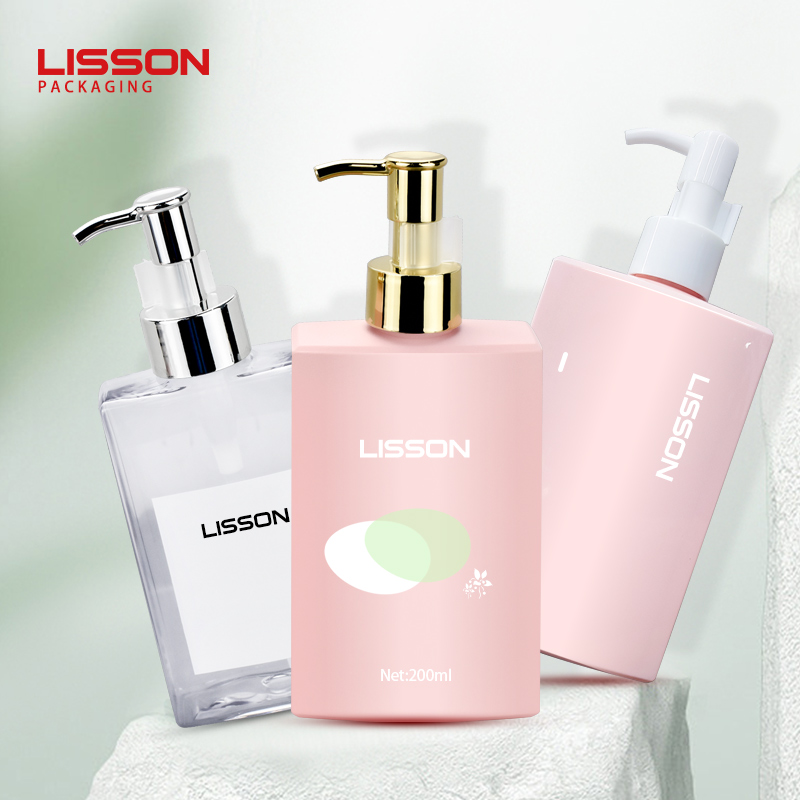
يوضح الجدول أدناه أنواع المنتجات الشائعة وأنظمة التوزيع الموصى بها، مما يساعدك على اختيار أنظمة توزيع عبوات مستحضرات التجميل المناسبة لتركيبتك. يراعي كل زوج لزوجة تركيبتك، والجرعة المطلوبة، والقيود العملية لشكل العبوة. ابدأ بهذا الجدول لتضييق نطاق خياراتك، ثم حسّن اختيارك من خلال التجربة مع منتجك الفعلي.
نوع المنتج | نظام التوزيع الموصى به | الاعتبار الرئيسي |
|---|---|---|
منظف | مضخة لوشن | تأكد من أن لزوجة المنتج تتناسب مع أبعاد عنق الزجاجة وملاءمة المضخة. تحقق من أن كمية المنتج المطلوبة لكل ضغطة تتوافق مع الجرعة المعتادة لكل غسلة. زجاجة مضخة اللوشن مناسبة للمنظفات الكريمية أو الجل عند ضبط قوة الزنبرك بما يتناسب مع كثافة المنتج. |
سيروم | قطارة أو مضخة علاج | يتطلب استخدام القطارة استخدام كلتا اليدين للتحكم الدقيق في القطرات، لكنها توفر دقة ممتازة مع التركيبات المركزة. أما زجاجة السيروم المزودة بمضخة علاجية فتتيح استخداماً بيد واحدة مع السيرومات الأكثر كثافة. قارن معدل تدفق التركيبة عبر أداة التطبيق والضغط الواقع على نظام المسح لتجنب الانسداد. |
كريم | مضخة معالجة أو نظام بدون هواء | تتطلب المنتجات ذات اللزوجة العالية قوة زنبركية عالية أو نظام شفط قوي. ركّز على ملاءمة المضخة، وسرعة التعبئة، وسرعة استعادة الضغط بعد كل ضغطة، وكمية المنتج المتبقية في العبوة. تمنع أنظمة الشفط دخول الهواء وتُطيل مدة صلاحية الكريمات الحساسة. |
حبر | بخاخ رذاذ دقيق | تسمح اللزوجة المنخفضة برشّ المنتج على شكل قطرات يتراوح حجمها بين 30 و80 ميكرون. تأكد من أبعاد عنق الزجاجة وملاءمة المضخة لضمان ثبات حجم القطرات ومعدل التدفق طوال فترة استخدام المنتج. يوفر بخاخ الرذاذ الدقيق تغطية متساوية دون هدر. |
شامبو | مضخة أو قرص علوي | تحدد لزوجة التركيبة مقدار الضغط المطلوب للتحكم فيه. ويؤثر قطر الفوهة ونوع طرفها على مدى انتظام خروج المنتج من الزجاجة. يوفر الغطاء القرصي سهولة الاستخدام بيد واحدة للشامبو ذي القوام الخفيف. |
رول أون | أداة وضع دوارة | يتحكم كل من حمولة أداة التطبيق وملاءمة الممسحة في كمية المنتج المُخرجة. يجب أن يسمح خلوص الغطاء بتدويره بسلاسة دون تسريب أثناء الاستخدام. هذا النوع من التركيبات مناسب تمامًا لسيرومات منطقة تحت العين ومزيلات العرق. |
يُقدّم لك كل صف في هذا الجدول توجيهًا واضحًا لخطوتك التالية. يجب أن يجتاز الزوج المُختار اختبارًا عمليًا باستخدام صيغتك الفعلية. لا يُمكن لأي جدول أن يُغني عن التحقق العملي من الأداء.
لا يمكن لجدول مرجعي أن يشمل جميع العوامل المؤثرة في قرارك النهائي. غالباً ما يرجح معياران كفة نظام على آخر: تجربة المستخدم وصورة العلامة التجارية.
تبدأ تجربة المستخدم بسهولة الاستخدام. تعمل أغطية المضخات ومضخات الرش بيد واحدة، مما يجعلها عملية للاستخدام اليومي والسفر. أما القطارة فتتطلب استخدام كلتا اليدين، وهو ما قد يُزعج العميل خلال روتينه الصباحي المزدحم. بالنسبة للمنتجات اللزجة، تُعد المضخة التي تعمل بيد واحدة أكثر عملية من القطارة. لحظة استخدام العميل للمنتج مهمة. إذا كان يستخدم عبوة منتجات العناية بالبشرة الخاصة بك وهو يحمل هاتفه أو منشفة، فإن نظام الاستخدام بيد واحدة هو الأفضل. تؤثر سهولة الضغطة الواحدة مقابل الاستخدام بكلتا اليدين بشكل مباشر على سلوك الشراء المتكرر. يتخلى العديد من العملاء عن المنتج إذا كان نظام التوزيع غير مريح أو بطيئًا.
تُحدد صورة العلامة التجارية الخيار الجمالي النهائي. يجب أن تعكس عبوة مستحضرات التجميل مكانة علامتك التجارية. تُطبّق تقنية الختم الساخن رقائق معدنية باستخدام الحرارة والضغط، مما يُضفي لمسة نهائية فاخرة تجعل منتجك مميزًا على الرفوف. تُضفي هذه التقنية مظهرًا جذابًا ومتينًا وفاخرًا على الزجاجات والبرطمانات والأنابيب. تُعبّر الطباعة بالشاشة الحريرية عن المتانة والموثوقية للعلامات التجارية متوسطة المستوى بتصاميم بسيطة وجريئة. تكلفتها المعقولة تجعلها مناسبة للإنتاج بكميات صغيرة. توفر الملصقات الحساسة للضغط نطاقًا لونيًا غير محدود وتفاصيل فوتوغرافية دقيقة، مما يسمح بسرد قصص معقدة للشركات الناشئة في مراحلها الأولى بكميات طلب دنيا منخفضة. تُوصل كل طريقة من طرق التزيين قيمة مختلفة لعلامتك التجارية إلى عملائك.
تقدم ليسون هذه الخيارات الزخرفية إلى جانب نظام التوزيع الخاص بك. يمكنك الجمع بين طباعة الشاشة الحريرية والختم الساخن لإنشاء تصميم فريد وراقي يجذب المستهلكين. إن الجمع الأمثل بين آلية التوزيع والزخرفة يحوّل مضخة زجاجة مستحضرات التجميل من مجرد عنصر وظيفي إلى عنصر أساسي في علامتك التجارية.
عند اختيار نظام توزيع مستحضرات التجميل في الزجاجات، تذكر أن اللزوجة والجرعة والتوافق تحدد المعايير الفنية. ثم تأتي تجربة المستخدم وصورة العلامة التجارية لتوجيهك نحو القرار النهائي. اختبر اختيارك باستخدام تركيبتك، وثق بالبيانات ورأي العملاء.
لاختيار نظام توزيع مناسب لزجاجات مستحضرات التجميل، ابدأ بتحديد لزوجة المنتج والجرعة المطلوبة. ثمّ اختر آلية التوزيع التي تتوافق مع هذه المتطلبات. تأكد من توافق المواد المستخدمة والتزامها باللوائح التنظيمية. وأخيرًا، قارن بين التكلفة والموثوقية والاستدامة على المدى الطويل.
لا غنى عن الاختبار. يُجرى اختبار عملي باستخدام تركيبتك الفعلية للتأكد من عمل النظام قبل بدء الإنتاج الكامل. اتبع تسلسل التحقق التالي:
استخدم الصيغة النهائية مع المكونات التي تمثل الإنتاج.
اختبر العبوة المعبأة داخل غلافها الثانوي النهائي.
حدد معايير النجاح/الرسوب قبل عرض النتائج.
قم بإجراء عملية التحقق من صحة التوسع باستخدام الدفعة التجارية.
تعامل مع تركيبتك وعبوتك كنظام منتج واحد. يختلف النموذج الأولي في المختبر عن دفعة الإنتاج. تواصل مع ليسون للحصول على عينات أو تجربة تشغيلية قبل الالتزام بالإنتاج الكامل. يُحسّن نظام التوزيع المناسب تجربة المستخدم، ويحمي تركيبتك، ويعزز ولاء العملاء للعلامة التجارية.
نظام توزيع مستحضرات التجميل في الزجاجات هو الآلية التي تُخرج المنتج من عبوته. ويشمل المضخات، والقطارات، والبخاخات، وأنظمة التوزيع بدون هواء. يتحكم هذا النظام بكمية المنتج المُخرجة، وكيفية استخدامه، ومدى حمايته لتركيبة المنتج من التلوث والتعرض للهواء.
ابدأ بتحديد لزوجة تركيبتك. تعمل التونرات الخفيفة مع بخاخات الرذاذ الدقيق، بينما تحتاج الكريمات السميكة إلى مضخات معالجة أو أنظمة خالية من الهواء. ثم حدد الجرعة لكل استخدام واختبر المضخة مع تركيبتك الفعلية. يُعد توافق المواد مهمًا أيضًا، فالأحماض والزيوت قد تُتلف الأختام والزنبركات.
تُعدّ مضخات المعالجة أو أنظمة التفريغ الهوائي الأنسب للكريمات الكثيفة. أما مضخات اللوشن العادية فتُسدّ لأن نوابضها لا تستطيع دفع المنتج الكثيف بكفاءة. تستخدم أنظمة التفريغ الهوائي ضغطًا فراغيًا لإخراج المنتج بالكامل تقريبًا مع منع دخول الهواء، مما يُطيل مدة صلاحية التركيبات الحساسة.
تُناسب عبوات مضخات اللوشن المنتجات متوسطة اللزوجة مثل لوشن الجسم. تتميز مضخات العلاج بنوابض أقوى، وأنابيب غمس أوسع، وقدرة أكبر على ضخ المنتج. كما أنها تتعامل مع السيرومات والكريمات الأكثر كثافة دون انسداد. وتُوفر مضخات العلاج كمية أكبر من المنتج في كل ضغطة، عادةً من 1.0 إلى 2.0 مل مقارنةً بـ 0.5 مل من مضخات اللوشن العادية.
تحدد اللزوجة مدى سهولة تدفق السائل عبر القنوات الضيقة. تمر التركيبات السائلة الخفيفة كالماء عبر فوهات الرذاذ الدقيق. أما التركيبات السميكة فتتجاوز قوة زنبرك المضخات القياسية، مما يؤدي إلى انسدادها وعدم اكتمال عملية التوزيع. لذا، فإن اختيار مضخة زجاجة مستحضرات التجميل المناسبة للزوجة يضمن التشغيل السلس ويمنع إحباط العملاء.